

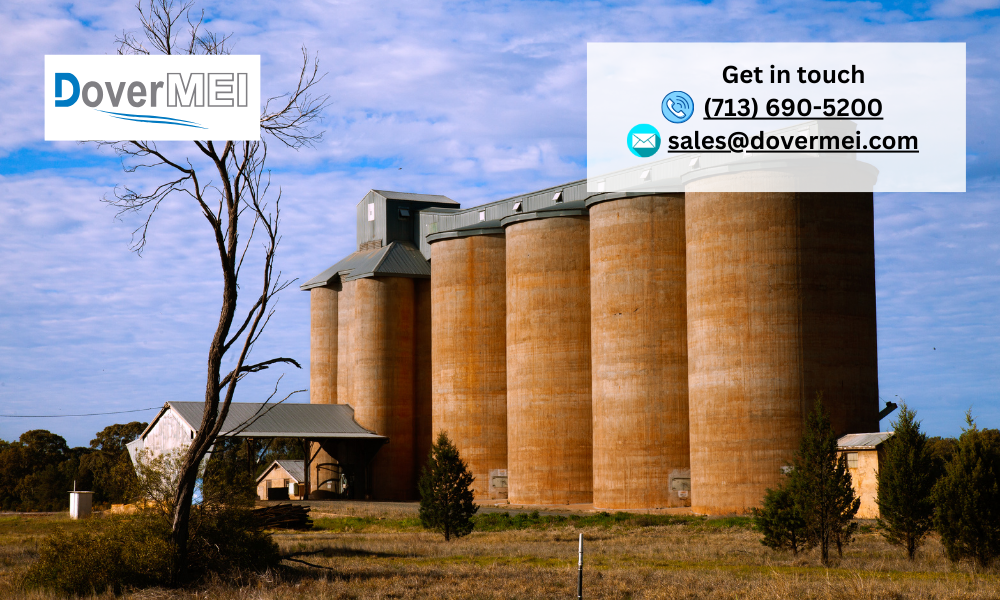
Industrial silos are critical components of storage and processing systems across multiple industries, including agriculture, manufacturing, and chemical production. Ensuring that silos are safe, efficient, and capable of meeting operational demands is essential for maintaining productivity and avoiding costly downtime. Over time, older silo systems may fail to meet these standards, making upgrades not just desirable but necessary. Understanding the key signs that indicate a silo requires replacement is crucial for proactive facility management and long-term operational efficiency.
Structural Integrity Issues: The First Indicator
One of the most apparent signs that a silo system needs upgrading is structural deterioration. Silo structures are often exposed to harsh environmental conditions, including moisture, extreme temperatures, and chemical exposure. Over the years, these conditions can lead to corrosion, rust, cracks, and weakened joints. Regular inspections may reveal:
- Deformation of silo walls, which can compromise the structural stability.
- Corrosion at critical points, especially around load-bearing elements and joints.
- Cracks or fissures in concrete or steel that risk catastrophic failure.
Ignoring these warning signs can result in safety hazards, including collapse or uncontrolled material release, which can lead to production downtime, regulatory fines, and employee injury. Replacement is often more cost-effective than attempting repeated repairs on a structurally compromised silo.
Reduced Capacity and Operational Efficiency
As industries expand, storage demands often increase. Older silos may no longer meet the required capacity due to their original design limitations. Signs of capacity issues include:
- Frequent overflows or material shortages, indicating insufficient storage volume.
- Operational bottlenecks where material cannot be loaded or discharged efficiently.
- Inconsistent material flow caused by worn-out internal components such as augers, hoppers, or conveyor interfaces.
Upgrading to a modern silo system allows facilities to increase storage capacity, streamline material handling, and reduce operational downtime. Modern silos often include advanced flow-control systems, automated monitoring, and optimized designs that prevent clogging and material degradation.
Obsolete Technology and Automation Limitations
Many older silos rely on manual monitoring, outdated sensors, or limited automation. In contrast, modern silo systems incorporate state-of-the-art technology, such as:
- Automated level sensors to prevent overfilling and material wastage.
- Temperature and moisture monitoring systems to maintain product quality.
- Remote operation and integration with enterprise resource planning (ERP) systems, enabling data-driven decision-making.
When a silo system cannot be integrated into modern production workflows or lacks technological support for automated control, upgrading becomes essential to maintain competitiveness and operational efficiency.
Frequent Maintenance and High Repair Costs
Older silos often require constant maintenance, leading to escalating repair costs and operational interruptions. Indicators include:
- Repeated repairs on structural components, such as reinforcing steel or roof panels.
- Recurring problems with discharge systems, including blockages or motor failures.
- Unexpected downtime, which disrupts production schedules and delivery commitments.
Replacing an aging silo with a modern system can reduce maintenance frequency, lower costs, and enhance reliability, ensuring that facilities maintain consistent production and quality standards.
Safety and Regulatory Compliance Concerns
Compliance with safety standards is non-negotiable in industrial operations. Older silo systems may fail to meet current OSHA or industry-specific safety regulations, which can lead to:
- Fines or penalties for non-compliance.
- Increased risk of accidents, including structural failures or material spillage.
- Legal liabilities in the event of workplace injuries.
New silo systems are designed to adhere to updated safety standards, featuring reinforced structures, fire-resistant materials, and emergency containment solutions that protect personnel and assets.
Material Quality Degradation
Silos are designed to protect stored materials from contamination, moisture, and degradation. Over time, older silos may lose this capability due to:
- Leaks or water infiltration, leading to mold, clumping, or spoilage.
- Pest infestations caused by compromised seals or damaged walls.
- Inconsistent temperature or humidity control, affecting sensitive materials like grains, powders, or chemicals.
Upgrading to a modern silo system ensures better environmental control, preserving the quality and integrity of stored materials and minimizing losses.
Energy Efficiency and Environmental Considerations
Modern silo systems are engineered with energy efficiency and sustainability in mind. Older silos often lack insulation, efficient motors, or environmentally friendly discharge systems, resulting in:
- Higher energy consumption due to inefficient material handling and environmental control systems.
- Increased carbon footprint, impacting sustainability goals and regulatory compliance.
- Excessive waste generation, including dust, spillage, and degraded materials.
Replacing outdated silos can significantly reduce energy costs, enhance operational sustainability, and contribute to corporate environmental responsibility goals.
Signs Specific to Mechanical Components
Beyond structural and technological concerns, the mechanical components of a silo can also indicate the need for replacement. Common warning signs include:
- Worn-out augers, conveyors, or feeders, which impede material flow.
- Excessive vibration or noise during operation, signaling mechanical stress or imbalance.
- Ineffective sealing systems, which lead to spillage or contamination.
Modern silo designs integrate durable, low-maintenance mechanical components that improve reliability, reduce downtime, and extend overall system lifespan.
Cost-Benefit Analysis for Silo Replacement
Investing in a new silo system may appear costly upfront, but long-term benefits often outweigh initial expenditures. Advantages include:
- Reduced maintenance and repair costs due to modern construction and materials.
- Enhanced production efficiency, reducing downtime and bottlenecks.
- Compliance with safety and environmental regulations, avoiding fines and legal exposure.
- Extended lifespan and scalability, accommodating future operational growth.
Facilities should perform a comprehensive cost-benefit analysis, factoring in operational savings, improved safety, and potential productivity gains. In most cases, a silo replacement represents a strategic investment in long-term efficiency and operational resilience.
Proactive Replacement Ensures Operational Excellence
Recognizing the signs that a silo system needs replacement is crucial for ensuring safety, maximizing efficiency, and protecting material quality. Structural deterioration, outdated technology, frequent maintenance needs, and compliance risks are clear indicators that an upgrade is necessary. By investing in modern silo systems, businesses can secure long-term operational success, reduce costs, and maintain competitiveness in an increasingly demanding industrial landscape.
 Don’t Wait for a Failure to Modernize Your Operations. Structural wear and outdated technology don’t just slow you down—they put your facility at risk. At DoverMEI, we specialize in end-to-end silo replacement and system integration tailored to your specific industrial needs. From initial structural assessment to seamless installation, our team ensures your upgrade is a strategic investment in long-term reliability. Contact us!